495 unique applications spanned 75 countries and territories, accumulating a total funding request of approximately €18.7 million.
The ISPO Impact Foundation, a €1 million fund dedicated to transforming global communities and protecting nature through outdoor recreation and sport, is preparing to unveil its inaugural grant recipients.
Launched in May 2026 by ISPO, the world’s leading sports and outdoor trade fair, the Foundation aims to champion a healthier planet and foster more active, inclusive communities worldwide.
The initiative saw an overwhelming response during its initial application window from 1-30 June 2026. Non-profit organisations from across the globe submitted 495 unique applications spanning 75 countries and territories, accumulating a total funding request of approximately €18.7 million.
Following a rigorous evaluation process conducted alongside the Foundation’s advisory council, a final list of successful applicants has been finalised. The winners will be formally revealed during a special awards presentation at ISPO, RAI Amsterdam on 4 November at 16.30 in Hall 1 on the Brand & Retail Stage.
Global response
The latest funding round attracted an incredibly diverse global response, drawing applications from 75 countries and territories across six continents. The standout narrative of this cycle was the exceptional engagement from Africa, which accounted for a third of all submissions with 166 applications spanning 32 countries. In fact, Africa’s impact was so pronounced that it comprised half of all applications at the Seed level (€10,000).
Globally, Europe (including the UK) led regional submissions at 46.5% (230), followed by Africa at 33.5% (166), North America at 8.9% (44), Latin America and the Caribbean at 4.4% (22), Asia at 4.4% (22), multi-country initiatives at 2.0% (10), and Oceania at 0.2% (1). While the UK was the single largest source of applications at 36%, the top international applicant countries were the US (37), Uganda (25), Kenya (20), Tanzania (17), and Nigeria (15). To put East Africa’s strong turnout into perspective, the combined total from Uganda, Kenya, and Tanzania alone (62) comfortably surpassed the 53 applications received from the entirety of mainland Europe.
Regeneration and Participation
The funding applicants submitted a rich diversity of projects across two primary pillars: Regeneration and Participation.
Regeneration – 224 projects. Nature Conservation & Environmental Stewardship
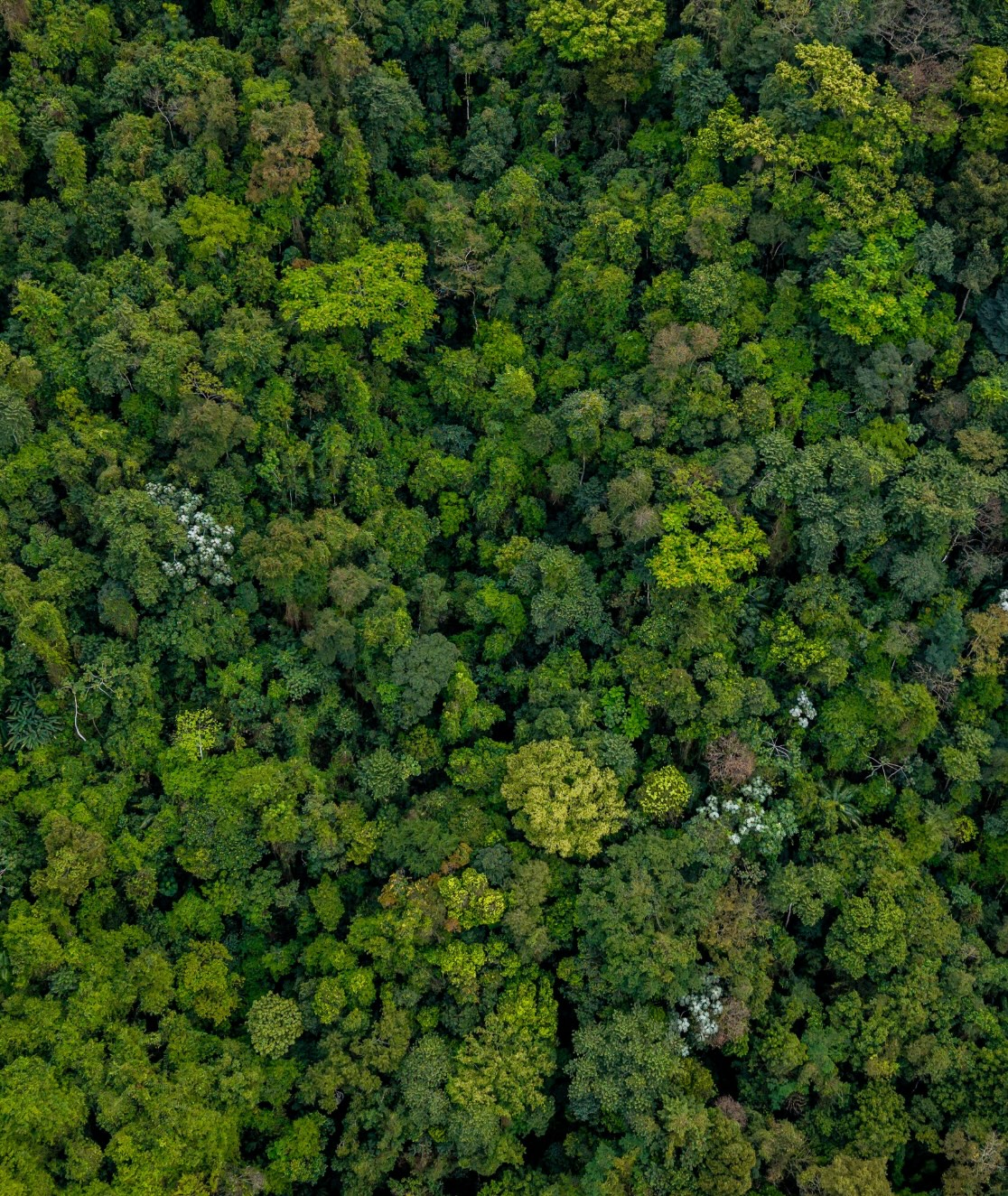
The Regeneration pillar focused heavily on environmental conservation and restoration, with a strong emphasis on terrestrial and marine ecosystems. Forestry initiatives led the pillar’s efforts as the single largest component, spanning from the protection of critical rainforests and coastal mangroves to the establishment of agroforestry and community school planting programs, alongside a dedicated focus on restoring lost forest cover.
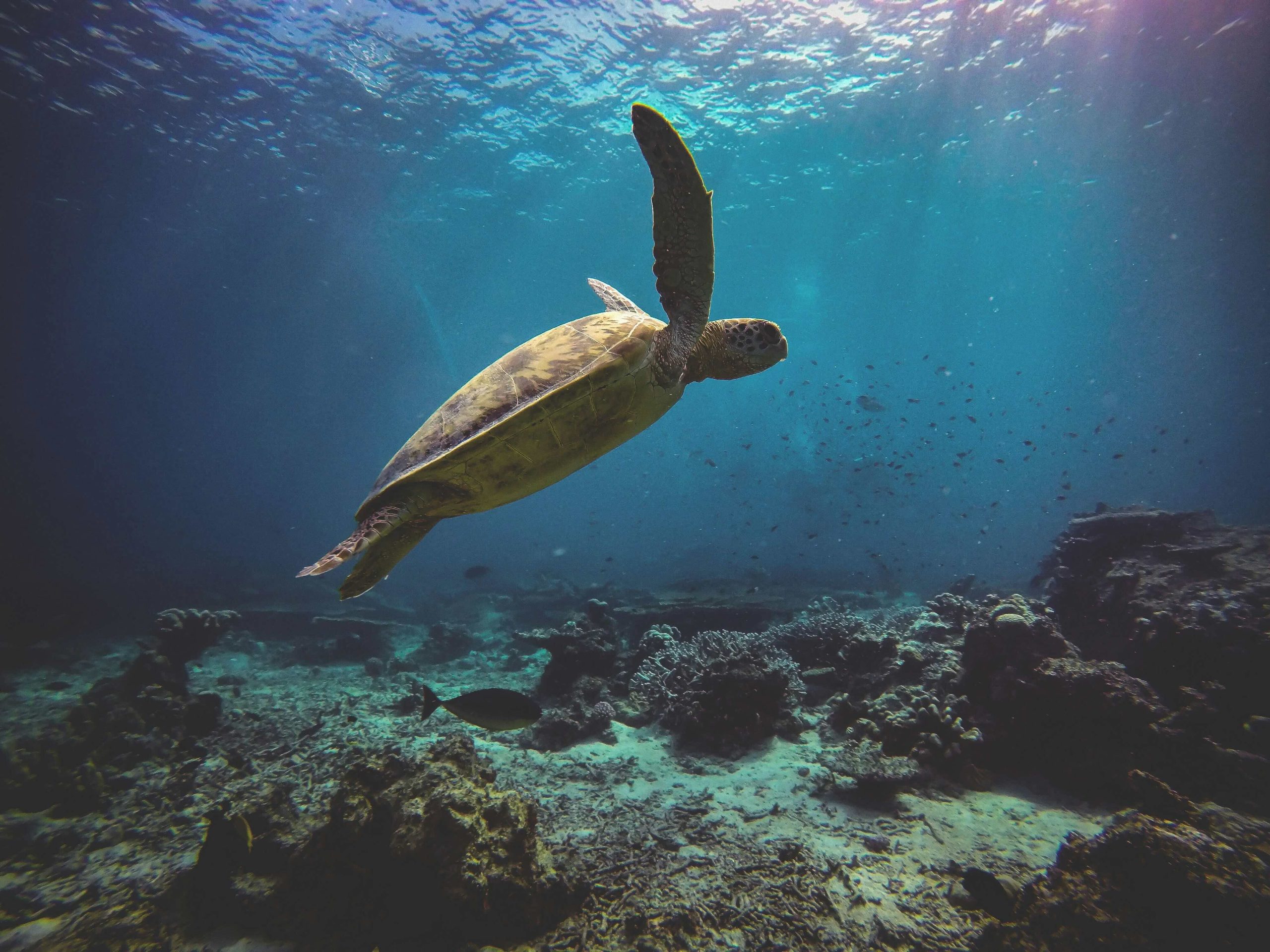
Safeguarding biodiversity was another major priority, with nearly a fifth of the overall efforts providing vital support for endangered species like gorillas, bears, leopards, wild cats, and sea turtles. Aquatic environments also received significant attention, divided evenly between inland freshwater systems – such as rivers, lakes, and wetlands – and marine habitats like coral reefs and kelp forests. Finally, the remaining efforts addressed environmental cleanliness by targeting waste management, plastic pollution, and circular economy solutions.
Participation – 271 projects. Active Participation and Inclusive Access
The Participation pillar prioritised broad community empowerment and inclusion, with a meaningful portion of its reach also incorporating environmental elements. Youth development served as the absolute cornerstone of these efforts, championing programmes for children and young people across a major share of the overall initiatives.
The remaining impact spanned several vital areas, led strongly by mental health and wellbeing, which stood alongside disability and accessibility in creating inclusive opportunities through adaptive sports and open outdoor environments. Additionally, dedicated support reached a wide range of under-represented groups – including ethnically diverse communities, LGBTQ+ individuals, veterans, unhoused people, and older adults – while specialised advocacy and sports initiatives focused on intentionally empowering women and girls.
Across both funding streams, applicants frequently used physical activity as a tool for engagement, with climbing, mountain sports, water sports, walking, and cycling emerging as the most common activities. Additionally, 17 projects focused on refugees and displaced people, beautifully bridging the two pillars through initiatives like refugee-led landscape restoration in settlement areas and therapeutic climbing programmes.